
For decades, an IP character was designed to remain recognizable. Its appearance, personality, relationships, and story were controlled by a relatively fixed creative framework. Audiences could interpret the character differently, but the character itself did not change from one person to another.
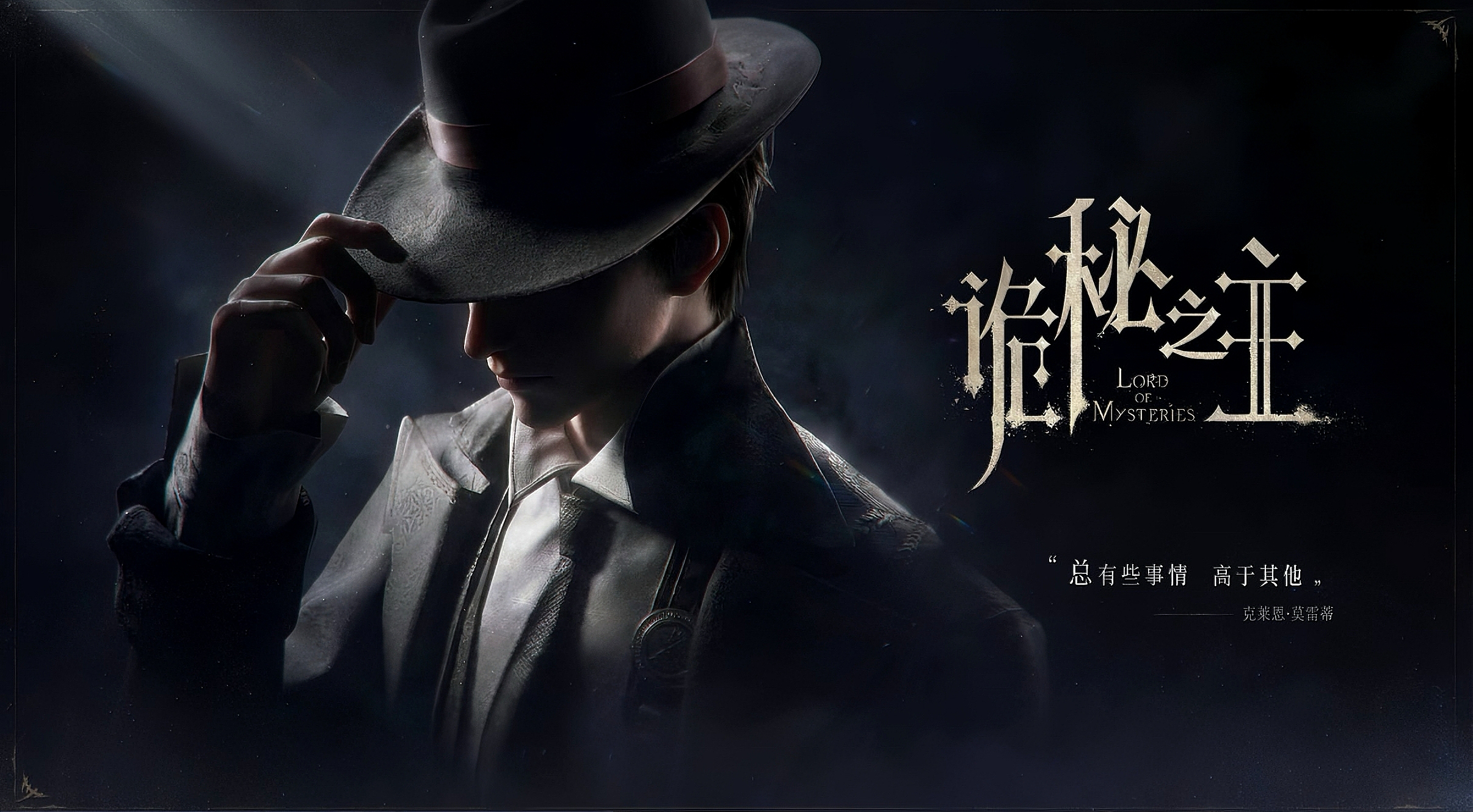
Generative AI introduces a different possibility.
An AI companion robot can respond to questions that were never written into the original script. It can remember previous conversations, adapt to a user's communication style, and develop recurring patterns through long-term interaction. Once this intelligence moves into bionic embodied intelligent robots, the character is no longer limited to a screen or a predetermined storyline.
It can start to develop a history with its user.
And that creates a question the traditional IP industry has rarely had to answer:
If every user develops a different version of the same character, which version is the real one?
A Character May Become More Than Its Original Canon
Traditional IP is built around canon — the information officially established by its creators.
AI introduces something different: personal experience.
Imagine two people interacting with the same character for two years. One has developed a relationship built around jokes and music. Another has spent difficult nights talking about work, family, and loneliness. The underlying character may be the same, but their memories and interaction patterns are completely different.
Neither experience necessarily contradicts the original IP.
But neither was written by the original creator either.
This is where an AI companion device becomes fundamentally different from conventional IP merchandise. A physical product can reproduce a character. An interactive AI can gradually create a version of that character that exists only through its relationship with one specific person.
The IP is no longer just a fixed collection of traits.
It becomes a framework within which new experiences can happen.
The Real Challenge May Be Defining What Cannot Change
This does not mean IP owners need to give up control.
In fact, AI may make character boundaries more important than ever.
A future home AI robot based on an established IP may need to know not only how the character normally speaks, but what values, behaviors, and decisions would fundamentally contradict that character.
That distinction matters.
If an AI is unable to adapt, an IP character inside a humanoid robot for home may feel like a scripted product.
If it can change without limits, it may eventually stop feeling like the character people originally loved.
The interesting middle ground is somewhere between consistency and evolution.
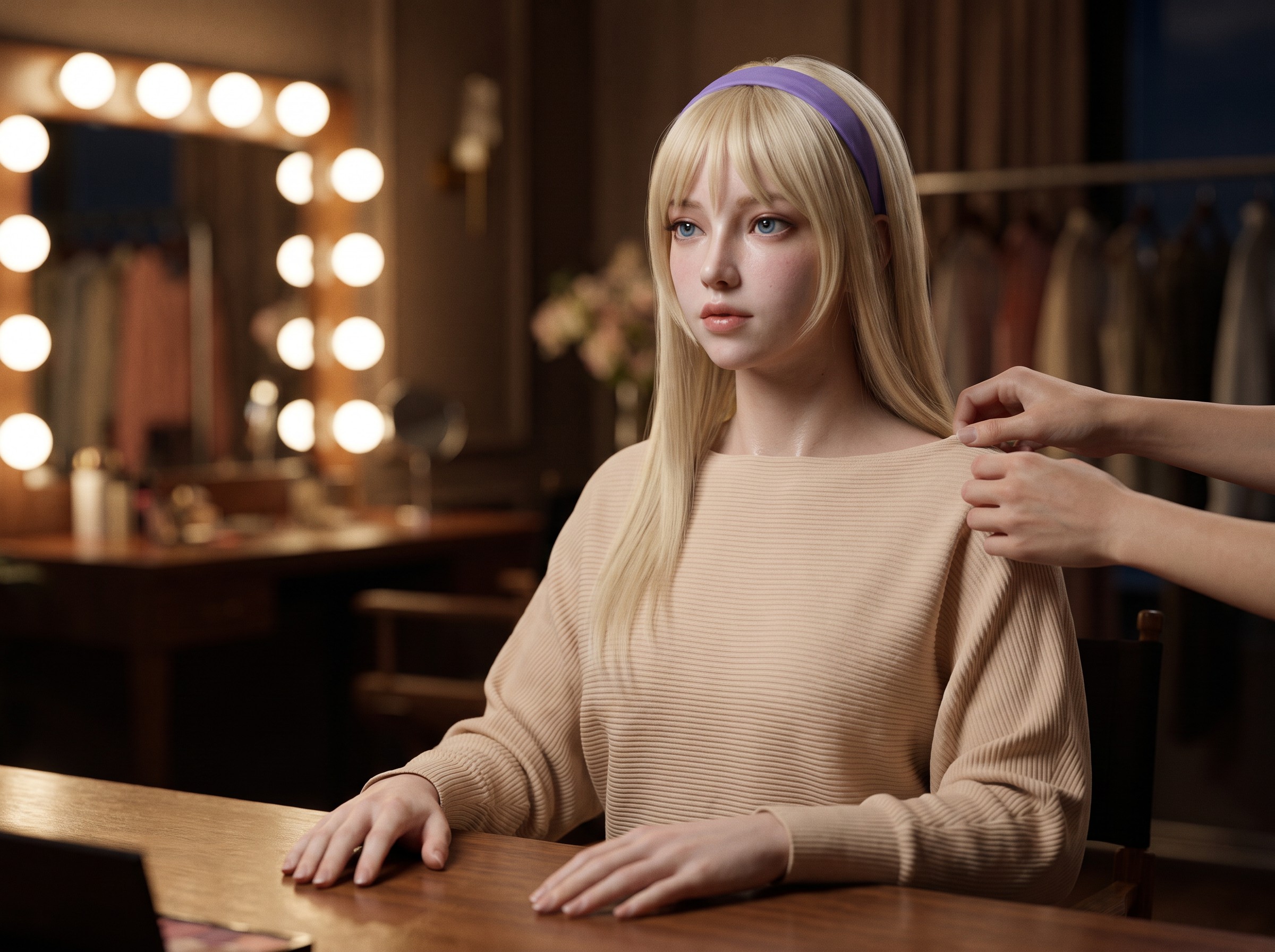
This is also why we believe EVA.i AI robot represents a broader opportunity beyond simply putting familiar characters into a physical body. As AI moves into real-world environments, characters can potentially become more personal, more persistent, and more present in everyday life.
We are defining and leading the category of bionic embodied intelligent robots — where AI moves beyond screens into real-world presence.
Perhaps the future of IP will not be about creating one perfect version of a character.
It may be about creating a character with clear enough boundaries to remain recognizable, and enough freedom to become meaningful to each person who meets it.
0 comments
Leave a comment